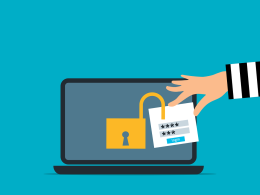
You come into work on Monday, coffee still hot, only to find your email full of urgent messages. An employee wants to know why their login isn’t working. Another says their personal information has shown up in places it shouldn’t. Suddenly, that list of “things to get done” is replaced by one big, pressing question: What went wrong?
For too many small businesses this is how a data breach becomes real. It’s a legal, financial, and reputational mess. IBM’s 2025 cost of data breach report puts the average global cost of a breach at $4.4 million. Additionally, Sophos found that nine out of ten cyberattacks on small businesses involve stolen data or credentials.
In 2025, knowing the rules around data protection is a survival skill.
Why Data Regulations Matter More Than Ever
The last few years have made one thing clear: Small businesses are firmly on hackers’ radar. They’re easier to target than a Fortune 500 giant and often lack the same defenses. That doesn’t mean they’re hit less often. It means the damage can cut deeper.
Regulators have noticed. In the U.S., a growing patchwork of state privacy laws is reshaping how companies handle data. In Europe, the GDPR continues to reach across borders, holding even non-EU companies accountable if they process EU residents’ personal information. And these aren’t symbolic rules, as fines can run up to 4% of annual global turnover or €20 million, whichever is higher.
The fallout from getting it wrong isn’t just financial. It can:
- Shake client confidence for years.
- Stall operations when systems go offline for recovery.
- Invite legal claims from affected individuals.
- Spark negative coverage that sticks in search results long after the breach is fixed.
So, yes, compliance is about avoiding penalties, but it’s also about protecting the trust you’ve worked hard to build.
The Regulations and Compliance Practices You Need to Know
Before you can follow the rules, you have to know which ones apply. In the business world, it’s common to serve clients across states, sometimes across countries. That means you may be under more than one set of regulations at the same time.
Below are some of the core laws impacting small businesses.
General Data Protection Regulation (GDPR)
Applies to any business around the world that deals with data from EU residents. GDPR requires clear, written permission to collect data, limits on how long it can be stored, strong protections, and the right for people to access, change, delete, or move their data. Even a small business with a handful of EU clients could be covered.
California Consumer Privacy Act (CCPA)
Gives people in California the right to know what information is collected, ask for it to be deleted, and choose not to have their information sold. If your business makes at least $25 million a year or handles a lot of personal data, this applies to you.
2025 State Privacy Laws
Eight states, including Delaware, Nebraska, and New Jersey, have new laws this year. Nebraska’s is especially notable: It applies to all businesses, no matter their size or revenue. Consumer rights vary by state, but most now include access to data, deletion, correction, and the ability to opt out of targeted advertising.
Compliance Best Practices for Small Businesses
Here’s where the theory meets the day-to-day. Following these steps makes compliance easier and keeps you from scrambling later.
1. Map Your Data
Do an inventory of every type of personal data you hold, where it lives, who has access, and how it’s used. Don’t forget less obvious places like old backups, employee laptops, and third-party systems.
2. Limit What You Keep
If you don’t truly need a piece of information, don’t collect it in the first place. If you have to collect it, keep it only as long as necessary. Furthermore, restrict access to people whose roles require it, which is known as the “principle of least privilege.”
3. Build a Real Data Protection Policy
Put your rules in writing. Spell out how data is classified, stored, backed up, and, if needed, securely destroyed. Include breach response steps and specific requirements for devices and networks.
4. Train People and Keep Training Them
Most breaches start with a human slip. Teach staff how to spot phishing, use secure file-sharing tools, and create strong passwords. Make refresher training part of the calendar, not an afterthought.
5. Encrypt in Transit and at Rest
Use SSL/TLS on your website, VPNs for remote access, and encryption for stored files, especially on portable devices. If you work with cloud providers, verify they meet security standards.
6. Don’t Ignore Physical Security
Lock server rooms. Secure portable devices. If it can walk out the door, it should be encrypted.
Breach Response Essentials
Things can still go wrong, even with strong defenses. When they do, act fast. Bring your lawyer, IT security, a forensic expert, and someone to handle communications together immediately. Work collaboratively to fix the problem. Isolate the systems that are affected, revoke any stolen credentials, and delete any data that is exposed.
Once stable, figure out what happened and how much was affected. Keep detailed notes; they’ll matter for compliance, insurance, and future prevention.
Notification laws vary, but most require quick updates to individuals and regulators. Meet those deadlines. Finally, use the experience to improve. Patch weak points, update your policies, and make sure your team knows what’s changed. Every breach is costly, but it can also be a turning point if you learn from it.
Protect Your Business and Build Lasting Trust
Data regulations can feel like a moving target because they are, but they’re also an opportunity. Showing employees and clients that you take their privacy seriously can set you apart from competitors who treat it as a box-ticking exercise.
You don’t need perfect security. No one has it. You do need a culture that values data, policies that are more than just paper, and a habit of checking that what you think is happening with your data is actually happening.
That’s how you turn compliance into credibility.
Contact us to find out how you can strengthen your data protection strategy and stay ahead of compliance requirements.
—
This Article has been Republished with Permission from The Technology Press.






 Stop Account Hacks: The Advanced Guide to Protecting Your Small Business Logins